You know we often turn to books when we want to help our children through their struggles and feelings, and this month feels like the right time to share some excellent children's books on grief and loss.
When I think back over the last twelve months of COVID-19, it's difficult to spend too much time trying to comprehend the sheer number of people we've lost to the virus. Knowing that 500,000 + lives have been lost with absolutely no plan in place to protect all of us is so appalling, it's almost too much to process. But as we hit that one year anniversary right now, so many of us are really thinking about what the year meant to us, what we've lost, what we've struggled with, and how our kids have changed.
And of course, for those of us who have lost people in our own lives to the disease, the impact of the pandemic brings grief of another sort. So many of our children have lost grandparents, parents, siblings, aunts and uncles, the parents of friends, even beloved teachers.
Too many people gone.
If you've found yourself caring for a child who's trying to process grief this year, I have found that these three children's books can help you talk with them about their feelings.
I've chosen books that show kids what it's like to process grief through story; these aren't non-fiction or how-to guides, but beautiful stories about loss and hope that can open some healing discussions. (If you do want to learn some science behind grief, and tips for coping, I recommend Why Do I Feel Sad? by Tracey Lambert-Prater.)
These stories let kids know that they're not alone in what they're experiencing, and their feelings are valid and normal, which is so important. And hopefully, these children's books about grief will help kids see that there will be light again, even if it takes a while to get there.
This post contains affiliate links, and purchases may generate a small commission that helps support our team at no additional cost to you. Please consider supporting an independent bookstore.
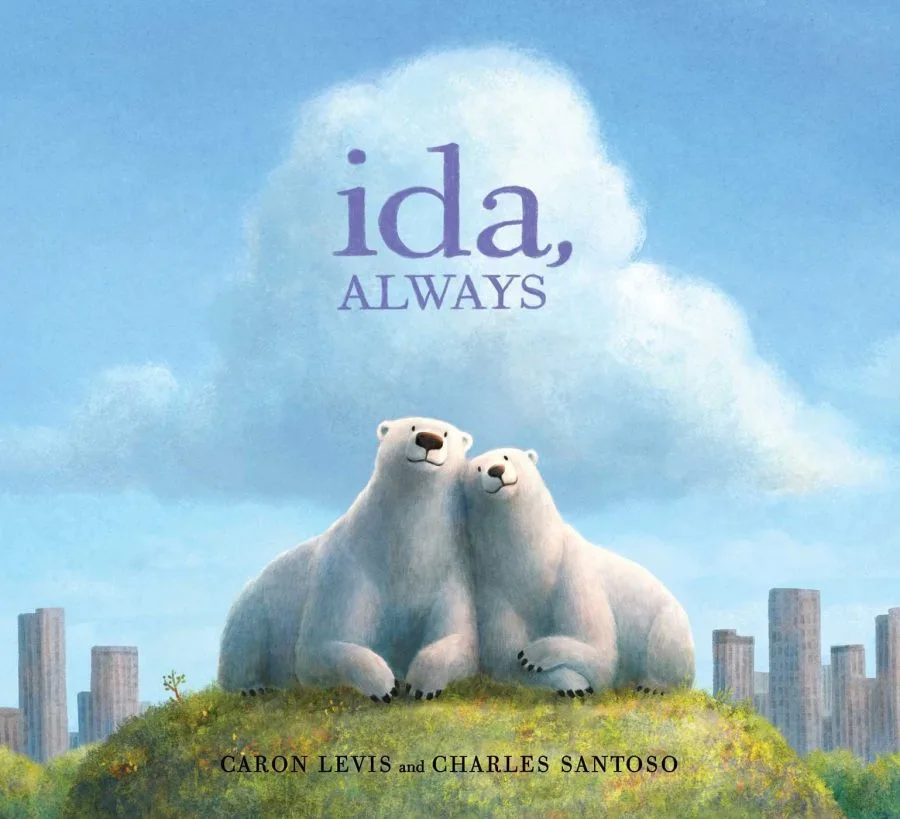
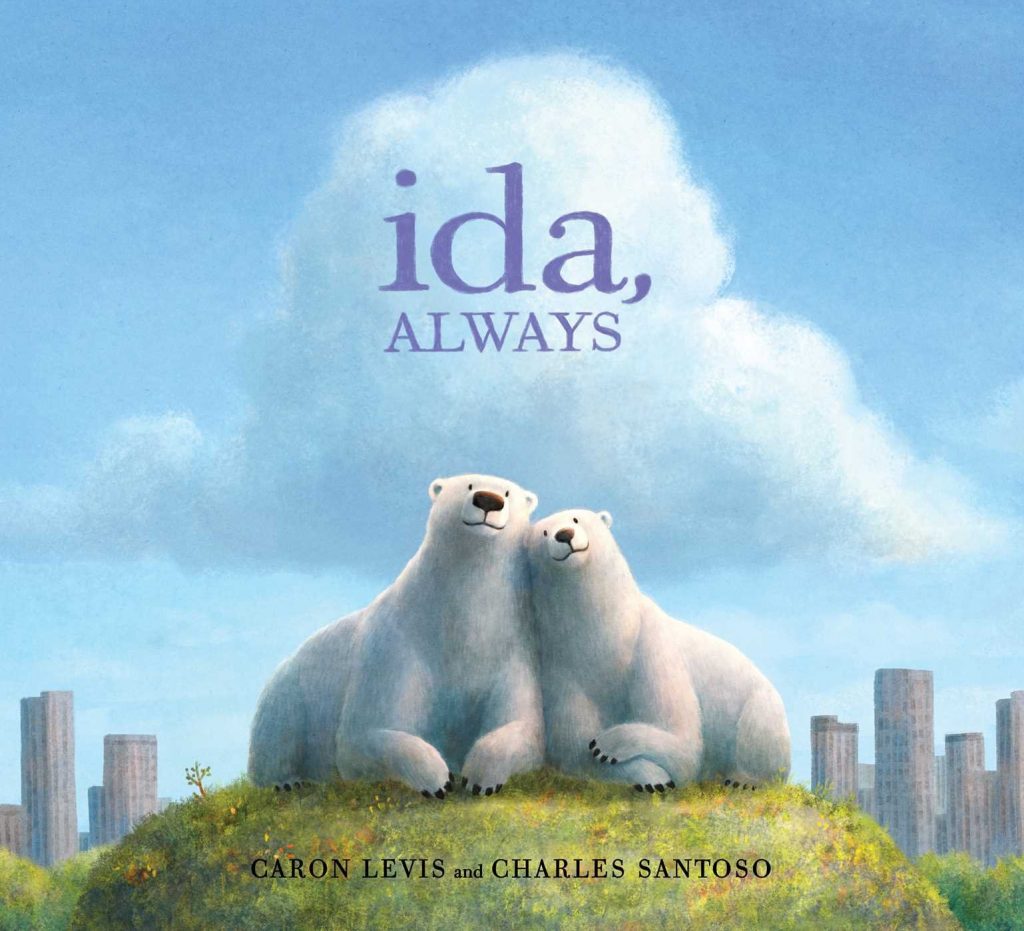 Fair warning: Ida, Always (Amazon, Indiebound) by Caron Levis and Charles Santoso is going to make you cry, but it's the book I would start with when talking to younger children about death. It's a sweet story that will keep their attention, but it also spells out what to expect when someone faces a terminal diagnosis.
Lewis reminds kids it's okay to be angry or to need time alone, it's good to do things to help others, and it's even okay to laugh through the hard days.
This is a great book to read with your child when a diagnosis is received, as it will help kids understand what is coming, but I find it's also a soothing read after a child has lost someone they loved.
Fair warning: Ida, Always (Amazon, Indiebound) by Caron Levis and Charles Santoso is going to make you cry, but it's the book I would start with when talking to younger children about death. It's a sweet story that will keep their attention, but it also spells out what to expect when someone faces a terminal diagnosis.
Lewis reminds kids it's okay to be angry or to need time alone, it's good to do things to help others, and it's even okay to laugh through the hard days.
This is a great book to read with your child when a diagnosis is received, as it will help kids understand what is coming, but I find it's also a soothing read after a child has lost someone they loved.
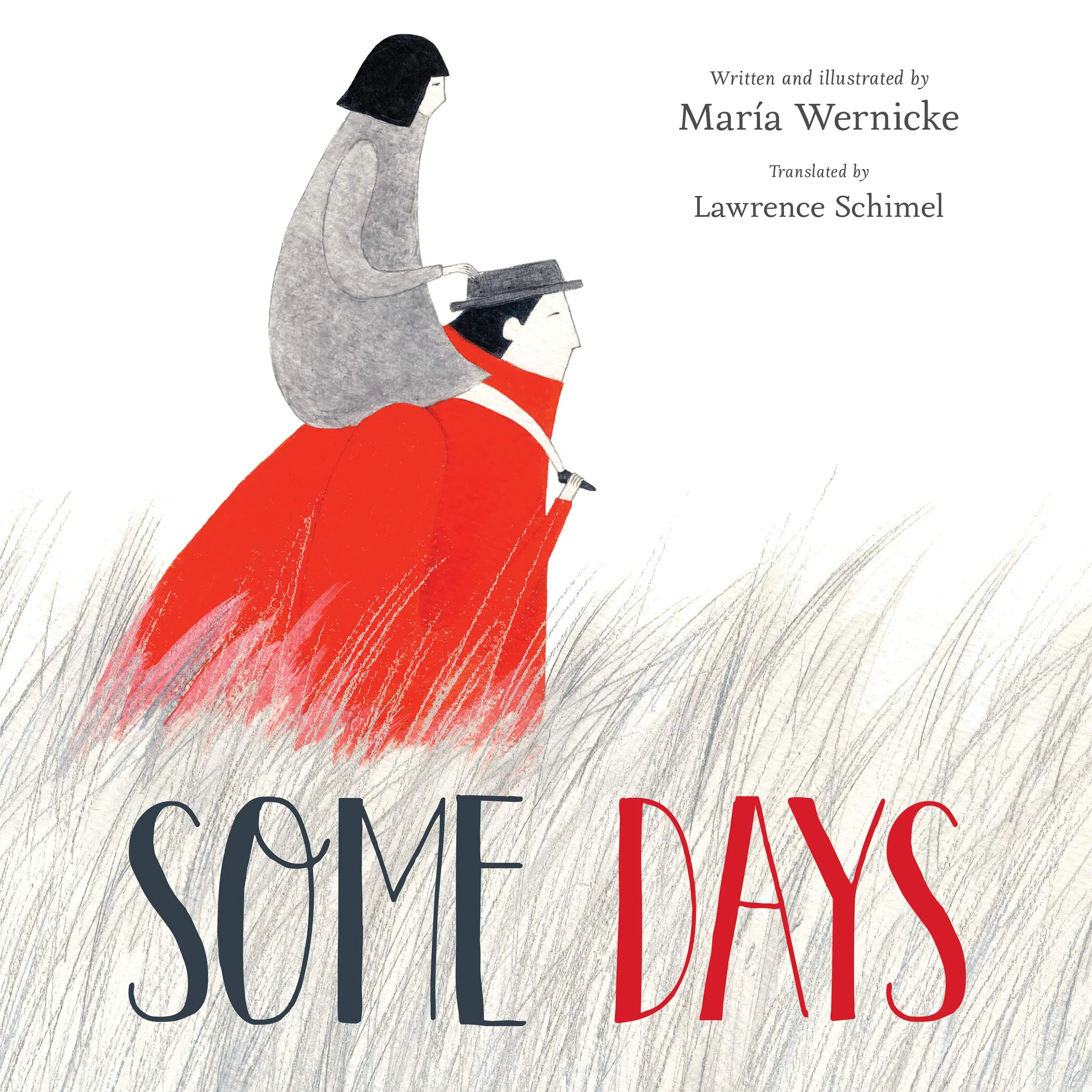
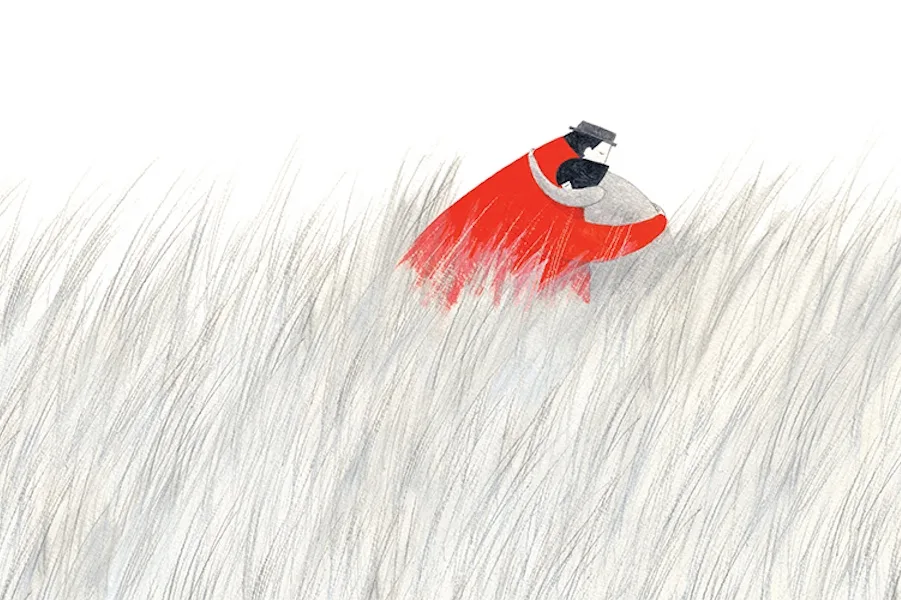
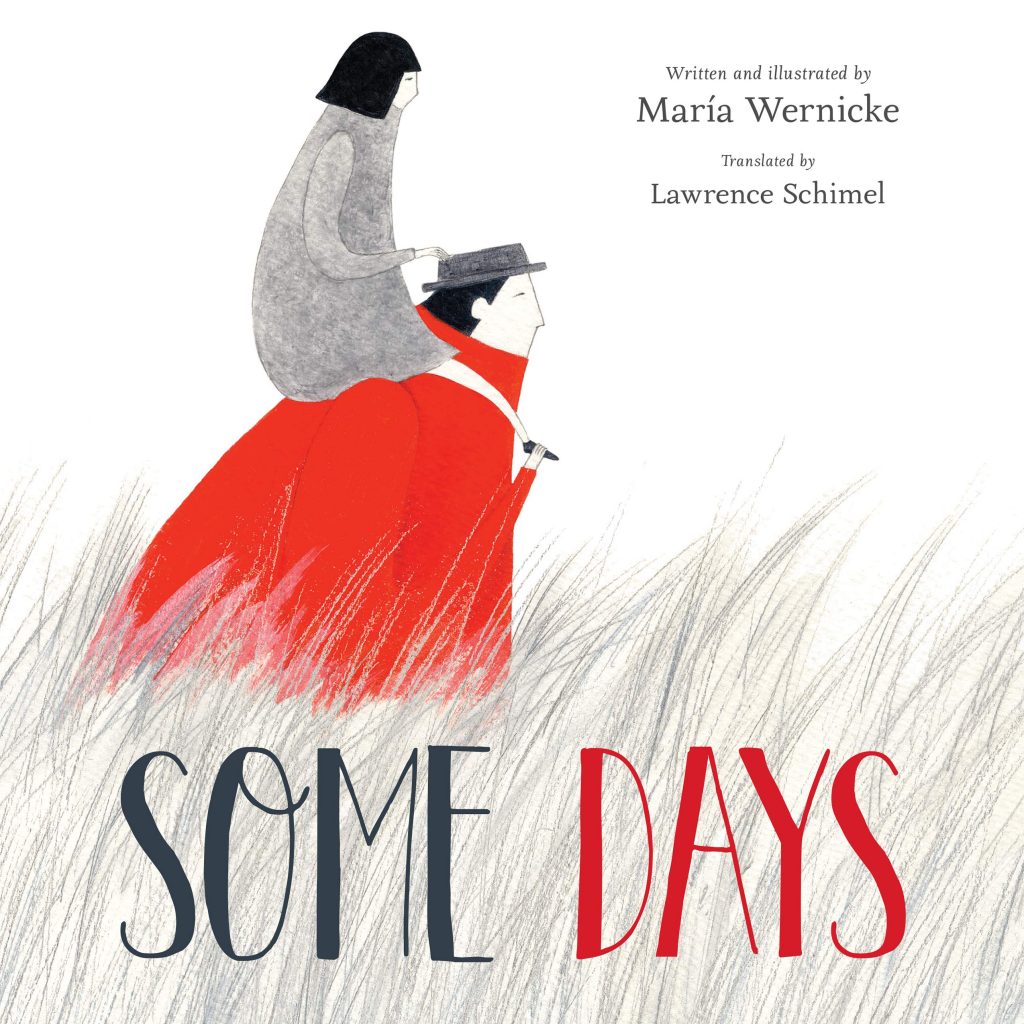 2020's Some Days (Amazon, Indiebound,) by Argentinean author and Astrid Lindgren Memorial Award nominee María Wernicke, is a lovely story that teaches children how to find comfort in their memories, while also acknowledging that sometimes those memories are storms inside our heads and our hearts.
In the story, a young girl imagines herself safe with the father she's lost, as she travels through passageways around her home to visit her memories of him. The illustrations are exquisite, and the safe, secure presence of her mother provides her comfort. Some Days might even give a child ideas for ways to enjoy their own memories of a loved one they've lost, too, perhaps with your guidance.
I would suggest however that you read through this book yourself first, so you can explain the metaphor first so it won't be confusing, especially to younger kids. It's a truly meaningful, worthwhile book.
2020's Some Days (Amazon, Indiebound,) by Argentinean author and Astrid Lindgren Memorial Award nominee María Wernicke, is a lovely story that teaches children how to find comfort in their memories, while also acknowledging that sometimes those memories are storms inside our heads and our hearts.
In the story, a young girl imagines herself safe with the father she's lost, as she travels through passageways around her home to visit her memories of him. The illustrations are exquisite, and the safe, secure presence of her mother provides her comfort. Some Days might even give a child ideas for ways to enjoy their own memories of a loved one they've lost, too, perhaps with your guidance.
I would suggest however that you read through this book yourself first, so you can explain the metaphor first so it won't be confusing, especially to younger kids. It's a truly meaningful, worthwhile book.
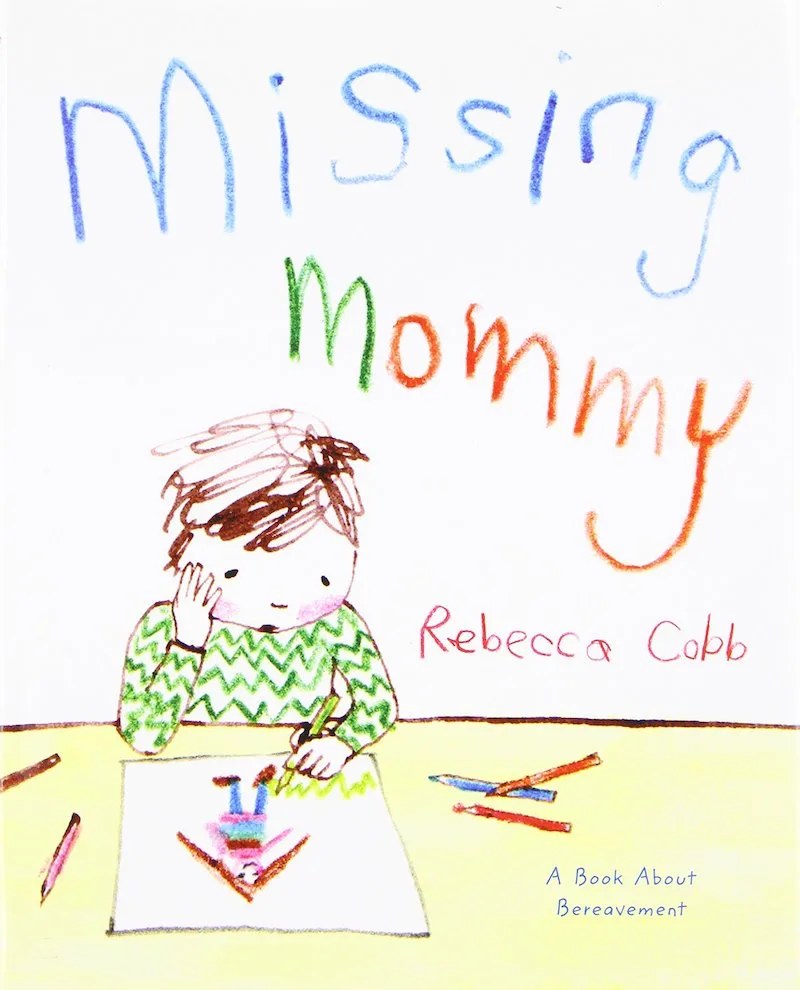
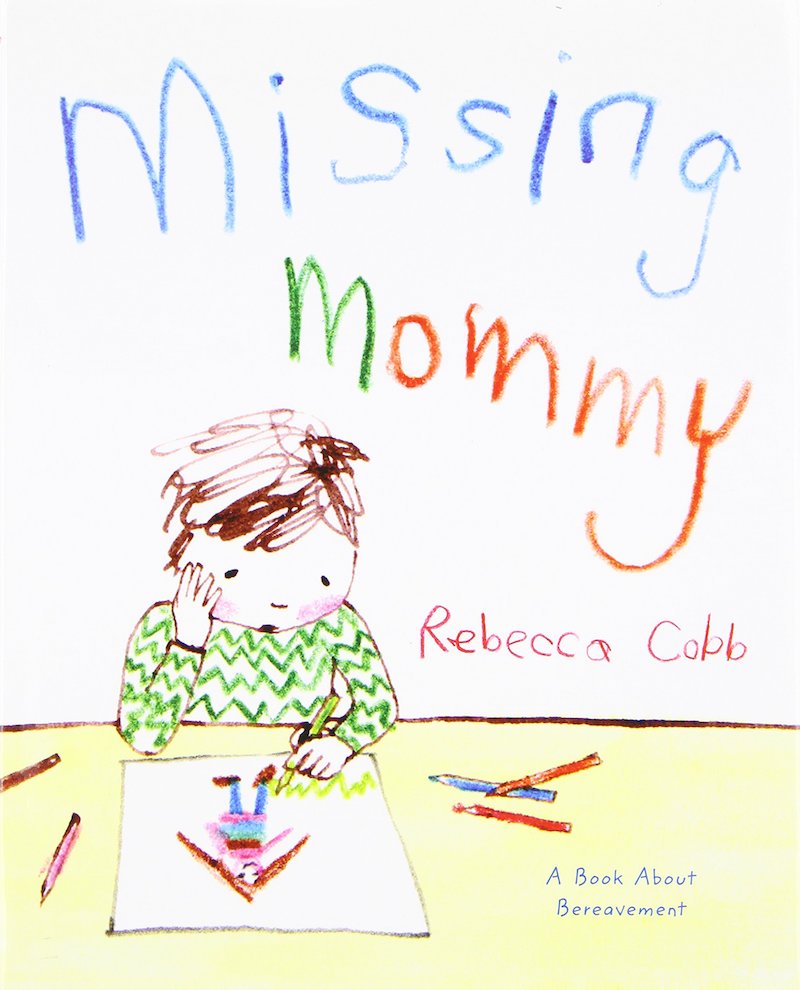 As far as children's books about grief, I really love the sweet innocence of Missing Mommy: A book about bereavement (Amazon) by author and illustrator Rebecca Cobb. This story is narrated from a young child's perspective, as he grieves the loss of his own mom. We see him attend the funeral, pack away clothes and personal items Mommy has left behind, look through photo albums, and finally admit that he's scared and unsure of what's happening, trying to figure out where she has gone. And yet it concludes by reminding children that they are not alone, and part of a huge network of people who love them.
I find this book provides helpful talking points for parents or caregivers, as the child in Missing Mommy doesn't fully grasp death. Through his own questions, you'll find supportive, comforting answers. And in the end, that's so much of what we need when a child is grieving.
As far as children's books about grief, I really love the sweet innocence of Missing Mommy: A book about bereavement (Amazon) by author and illustrator Rebecca Cobb. This story is narrated from a young child's perspective, as he grieves the loss of his own mom. We see him attend the funeral, pack away clothes and personal items Mommy has left behind, look through photo albums, and finally admit that he's scared and unsure of what's happening, trying to figure out where she has gone. And yet it concludes by reminding children that they are not alone, and part of a huge network of people who love them.
I find this book provides helpful talking points for parents or caregivers, as the child in Missing Mommy doesn't fully grasp death. Through his own questions, you'll find supportive, comforting answers. And in the end, that's so much of what we need when a child is grieving.
Related: How to cope with grief and loss, and support others who have, too
Fair warning: Ida, Always (Amazon, Indiebound) by Caron Levis and Charles Santoso is going to make you cry, but it's the book I would start with when talking to younger children about death. It's a sweet story that will keep their attention, but it also spells out what to expect when someone faces a terminal diagnosis.
Lewis reminds kids it's okay to be angry or to need time alone, it's good to do things to help others, and it's even okay to laugh through the hard days.
This is a great book to read with your child when a diagnosis is received, as it will help kids understand what is coming, but I find it's also a soothing read after a child has lost someone they loved.
Related: 10 books to help kids and teens cope with anxiety
2020's Some Days (Amazon, Indiebound,) by Argentinean author and Astrid Lindgren Memorial Award nominee María Wernicke, is a lovely story that teaches children how to find comfort in their memories, while also acknowledging that sometimes those memories are storms inside our heads and our hearts.
In the story, a young girl imagines herself safe with the father she's lost, as she travels through passageways around her home to visit her memories of him. The illustrations are exquisite, and the safe, secure presence of her mother provides her comfort. Some Days might even give a child ideas for ways to enjoy their own memories of a loved one they've lost, too, perhaps with your guidance.
I would suggest however that you read through this book yourself first, so you can explain the metaphor first so it won't be confusing, especially to younger kids. It's a truly meaningful, worthwhile book.
Related: The best children's books of 2020 to read with your kids all year long.
As far as children's books about grief, I really love the sweet innocence of Missing Mommy: A book about bereavement (Amazon) by author and illustrator Rebecca Cobb. This story is narrated from a young child's perspective, as he grieves the loss of his own mom. We see him attend the funeral, pack away clothes and personal items Mommy has left behind, look through photo albums, and finally admit that he's scared and unsure of what's happening, trying to figure out where she has gone. And yet it concludes by reminding children that they are not alone, and part of a huge network of people who love them.
I find this book provides helpful talking points for parents or caregivers, as the child in Missing Mommy doesn't fully grasp death. Through his own questions, you'll find supportive, comforting answers. And in the end, that's so much of what we need when a child is grieving.